 Plot No. C40, Road No. 21Y, MIDC, Wagle Industrial Estate,
Thane(W)-400604, MH, India.
Plot No. C40, Road No. 21Y, MIDC, Wagle Industrial Estate,
Thane(W)-400604, MH, India.


-
-
Essential Guide to Routine Testing for Legionella in 2026
January 23 2026 -

-
Guide to Pharmaceutical Testing Culture Media
January 22 2026 -

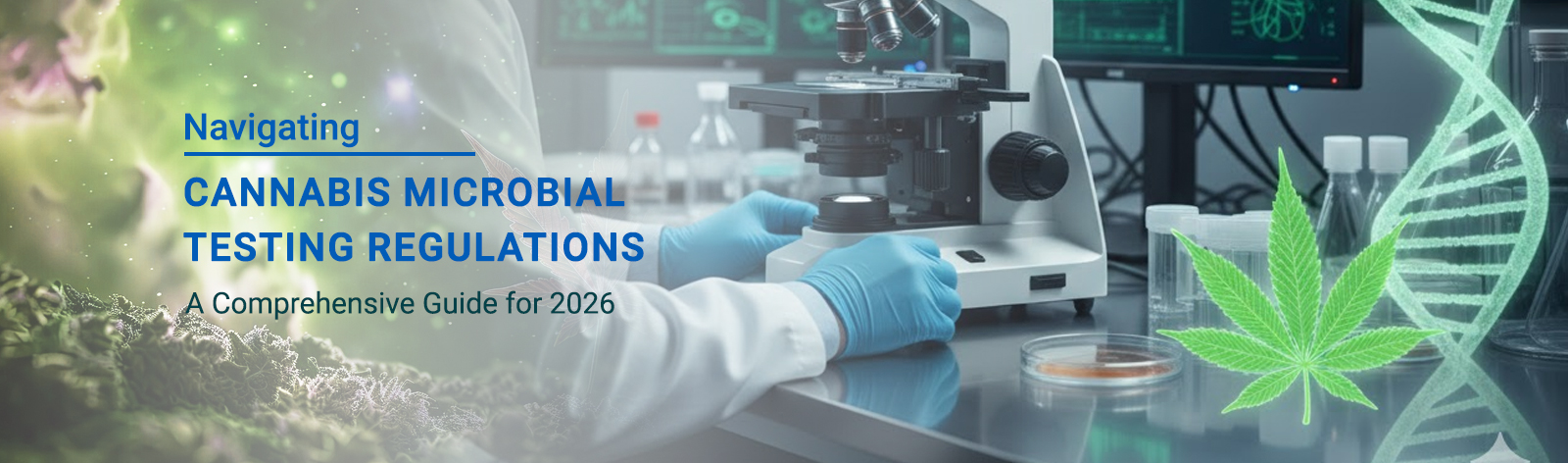
Navigating Cannabis Microbial Testing Regulations: A Comprehensive Guide for 2026
Cannabis microbial testing regulations vary significantly across states, requiring producers to meet specific standards for pathogen detection and safety compliance. This comprehensive guide provides actionable insights for navigating state-specific requirements, implementing effective testing protocols, and maintaining regulatory compliance in the evolving cannabis industry.
1. Why Microbial Safety is Critical in Cannabis Production?
Microbial contamination in cannabis products poses serious health risks, particularly for immunocompromised patients who rely on medical cannabis for therapeutic support. Pathogenic bacteria, yeasts, molds, and other opportunistic microorganisms can proliferate at multiple stages, including cultivation, harvesting, drying, processing, packaging, and storage. If not properly controlled, these contaminants may lead to severe infections, allergic reactions, toxin exposure such as mycotoxins, or respiratory complications when inhaled.
Cannabis flowers, being an agricultural product, naturally interact with soil, water, air, and human handling, each of which can serve as a potential source of microbial contamination. Environmental factors such as high humidity, inadequate drying, improper curing, or poor sanitation practices further increase the risk of microbial growth. For inhalable products in particular, the presence of organisms like Aspergillus species can be especially dangerous, as inhalation allows direct entry into the lungs.
The cannabis industry has witnessed several contamination incidents that underscore the importance of rigorous microbial quality control. In 2017, California experienced multiple product recalls due to Aspergillus contamination, raising significant concerns about patient safety. Similarly, Colorado implemented some of the most stringent microbial testing requirements after early market safety challenges highlighting gaps in quality oversight. These cases clearly demonstrate that effective microbial testing is not merely a regulatory requirement but a critical safeguard for consumer health and brand integrity.
Robust microbial safety protocols, including validated testing methods, environmental monitoring, adherence to Good Manufacturing Practices, and controlled storage conditions, are essential to ensure product consistency, regulatory compliance, and most importantly, patient protection.
Key microbial risks in cannabis include:
a) Total Aerobic Microbial Count (TAMC):
TAMC reflects the overall microbial load present in the product. While not all aerobic microorganisms are pathogenic, elevated counts indicate poor hygienic conditions during cultivation or processing and may compromise product stability, shelf life, and overall quality. High TAMC levels can also signal an increased likelihood of opportunistic pathogens being present.
b) Total Yeast and Mold Count (TYMC):
TYMC is particularly critical for cannabis products intended for inhalation. Yeasts and molds can proliferate under high humid conditions and during improper storage. Inhalation of contaminated material may lead to respiratory irritation, allergic reactions, or more severe pulmonary infections, especially in vulnerable individuals.
c) Pathogenic bacteria such as Escherichia coli and Salmonella:
The presence of enteric pathogens including E. coli, Salmonella, and other enterobacteria is a significant safety concern. These organisms are typically associated with fecal contamination or poor sanitation practices and can cause serious gastrointestinal illness if ingested through edible cannabis products.
d) Aspergillus species:
Certain species of Aspergillus pose a high risk to immunocompromised patients. Inhalation of spores can result in invasive aspergillosis, which is a severe and potentially life-threatening infection.
Regulatory agencies recognize these risks, which is why microbial testing has become mandatory in most legal cannabis markets. Producers who implement comprehensive microbial safety programs not only ensure compliance but also protect their brand reputation and consumer trust.
2. Understanding the Regulatory Landscape
Cannabis microbial testing regulations are primarily governed at the state level, with each jurisdiction establishing its own requirements for testing methods, microbial limits, sampling plans, and enforcement mechanisms. Unlike pharmaceutical manufacturing, which follows harmonized standards such as the United States Pharmacopeia, cannabis testing currently lacks federal standardization in many countries, particularly in the United States. This has resulted in a complex and evolving patchwork of regulatory frameworks across different markets.
Most state-level requirements draw from established pharmacopeial guidelines, especially chapters related to microbial enumeration testing and specified microorganism detection. These frameworks are often adapted from pharmaceutical, food, or herbal product standards. However, individual states may modify methodologies, define alternative action limits, or introduce organism-specific testing requirements based on localized risk assessments, public health priorities, and product consumption patterns such as inhalation versus ingestion.
Common regulatory frameworks include:
a) Mandatory testing states:
These jurisdictions require microbial testing for all commercial cannabis products prior to market release. Every batch must meet defined microbial limits before it can be distributed or sold. This approach ensures uniform safety oversight across product categories and minimizes the risk of contaminated products reaching consumers.
b) Risk-based testing:
Under this framework, testing requirements vary depending on product type and intended route of administration. For example, inhalable cannabis flower may be subject to stricter limits for total yeast and mold count and Aspergillus species, while edible products are more rigorously evaluated for enteric pathogens such as E. coli and Salmonella. This model aligns microbial limits with the specific health risks associated with each product category.
c) Batch testing protocols:
Regulations define sampling procedures and statistical criteria for lot release. These protocols specify how samples must be collected, the number of units tested, and the acceptance limits required for compliance. Proper batch testing ensures representativeness and supports scientifically sound release decisions.
d) Remediation allowances:
As cannabis markets grow and become more established, regulations are becoming stricter and more detailed to better protect consumer health. Authorities are strengthening testing requirements to ensure higher product safety and quality standards.
States like Colorado and Washington, which legalized cannabis earlier than others, have gradually improved and updated their testing programs based on real-world experience. Over time, they have tightened rules and clarified requirements.
3. State-by-State Testing Requirements
Each legal cannabis state has developed its own microbial testing requirements based on its regulatory philosophy, public health priorities, and risk assessment models. As a result, testing standards are not uniform across jurisdictions. Understanding these differences is especially important for multi-state operators and producers supplying products to multiple regulated markets.
3.1. High-Stringency States:
These states generally require extensive pathogen screening and enforce low acceptable colony-forming unit (CFU) limits.
- California: Requires testing for total aerobic bacteria, total yeast and mold, Escherichia coli, Salmonella, and Aspergillus species, with clearly defined limits.
- Colorado: Implements a comprehensive microbial testing panel that includes pathogenic E. coli and Aspergillus species. The state is known for maintaining some of the lowest acceptance criteria for microbial contamination.
- Massachusetts: Applies a risk-based framework with different microbial testing requirements depending on product category, including flower, concentrates, and manufactured cannabis products.
3.2. Moderate-Requirement States:
These jurisdictions focus on core microbial safety indicators while tailoring requirements by product type.- Oregon: Requires total yeast and mold and total bacterial counts, with certain allowances or category-based distinctions for specific product types.
- Nevada: Follows standard microbial enumeration methods and requires pathogen screening for products which is considered for posing higher risk.
- Michigan: Enforces comprehensive microbial testing similar to California, though with different numerical acceptance criteria and implementation details.
3.3. Emerging Markets:
Newer cannabis markets are building regulatory systems using lessons learned from earlier states.- New York: Is developing comprehensive microbial testing requirements alongside the expansion of its adult-use cannabis market.
- New Jersey: Implemented strict testing requirements from the beginning of its regulated market to ensure strong safety oversight.
- Illinois: Uses a risk-based approach with different microbial testing requirements for medical versus recreational cannabis products.
3.4. Key Regulatory Variables:
Across states, important differences include:- Acceptable CFU limits for total microbial counts
- Required test methodologies (culture-based vs molecular)
- Sampling plans and batch release protocols
- Remediation policies for failed lots
Because cannabis regulations continue to evolve, producers should regularly consult current state guidelines to ensure ongoing compliance and alignment with updated microbial safety standards.
4. Best Practices for Regulatory Compliance
Successful microbial compliance requires a comprehensive, preventive approach that begins at cultivation and continues through processing, packaging, storage, and distribution. The most effective programs integrate routine testing with strong preventive controls rather than relying only on end-product testing to detect contamination after it has occurred.
4.1. Environmental Monitoring Programs:
Environmental monitoring forms the foundation of microbial safety and helps detect contamination risks before they affect finished products.- Regular testing of cultivation and processing areas using appropriate culture media.
- Air quality monitoring in sensitive zones such as drying, trimming, and packaging rooms.
- Personnel hygiene protocols, including training in proper handling and aseptic practices.
- Equipment cleaning and sanitization procedures supported by validated cleaning agents.
Routine monitoring reduces the likelihood of cross-contamination and supports early corrective action.
4.2. Raw Material Controls
Controlling inputs helps prevent contamination at the source.- Incoming inspection of cultivation materials such as growing media, nutrients, and amendments.
- Water quality testing and validation of water treatment systems.
- Integrated pest management programs that reduce microbial vectors.
- Optimized harvest timing to prevent over-maturation and mold development.
Strong raw material control minimizes downstream risk and improves overall product consistency
4.3. Process Controls:
Maintaining controlled manufacturing conditions preserves product integrity throughout production.- Controlled drying and curing environments with defined humidity and temperature parameters.
- Validated packaging processes that limit environmental exposure.
- Cold chain management where required for temperature-sensitive products.
- Batch identification and tracking systems to enable rapid recall or containment if needed.
These controls ensure consistent quality and reduce variability between batches.
4.4. Testing Program Optimization
A well-designed testing program ensures reliable, reproducible, and regulatory accepted results.- Selection of validated microbial testing methods suitable for cannabis matrices.
- Representative sampling techniques aligned with regulatory batch requirements.
- Partnerships with qualified laboratories experienced in cannabis testing.
- Robust documentation systems to support inspections, audits, and regulatory submissions.
4.5. Contingency Planning:
- Defined corrective and preventive actions (CAPA).
- Transparent communication protocols with regulatory authorities.
- Root cause analysis to prevent recurrence.
By combining preventive controls, structured testing, and documented response strategies, cannabis producers can achieve sustained regulatory compliance while protecting consumer safety and brand reputation. Evaluating Microbial Testing Laboratories Selecting the right testing laboratory is critical for reliable results and regulatory compliance. Cannabis matrices present unique challenges that require specialized expertise and validated methods beyond standard microbiology testing.
5. Essential laboratory qualifications include
Choosing the right laboratory is critical for maintaining regulatory compliance and ensuring reliable microbial test results. A qualified laboratory should demonstrate both technical competence and a strong understanding of cannabis-specific regulatory requirements.
5.1. Essential Laboratory Qualifications:
- Regulatory recognition: The laboratory should hold valid state licensing and approval for cannabis testing, with up-to-date certifications as required by the jurisdiction.
- Method validation: Documented validation studies should confirm that testing methods are suitable for cannabis matrices, including flower, concentrates, and edibles. Validation should address matrix interferences that may impact microbial recovery or detection accuracy.
- Quality systems: Accreditation to recognized standards such as ISO/IEC 17025, or equivalent quality management systems, ensures that the laboratory operates under controlled, audited procedures.
- Technical expertise: The laboratory team should include experienced microbiologists familiar with cannabis products, regulatory expectations, and common contamination challenges.
- Turnaround time: Reliable and consistent reporting timelines are essential to prevent delays in product release and market distribution.
5.2. Key Questions to Ask Potential Testing Laboratories:
When evaluating a laboratory partner, producers should consider asking:- What specific microbial testing methods do you use for cannabis, and how were they validated?
- How do you address cannabis matrix interferents that may affect microbial detection or enumeration?
- What is your standard turnaround time for microbial testing, and how are urgent samples handled?
- Can you provide references from other licensed producers within our regulatory market?
- How do you maintain chain of custody and ensure sample integrity throughout the testing process?
- What documentation and certificates of analysis are provided to support regulatory inspections and audits?/li>
- What is your procedure for retesting or investigating unexpected or borderline results?
- What contingency plans are in place if primary testing equipment or systems fail?
5.3. Building a Strategic Laboratory Partnership:
An effective laboratory relationship should extend beyond routine sample testing. The most valuable laboratories provide technical guidance for method selection, assist in troubleshooting atypical results, and proactively communicate regulatory updates. Rather than acting solely as service providers, high-quality laboratories function as consultative partners who contribute to continuous improvement, compliance readiness, and long-term product safety assurance.
6. Common Use Cases and Applications
Cannabis microbial testing requirements vary depending on product type, intended route of administration, and overall risk profile. A clear understanding of these differences allows producers to design targeted testing programs that ensure compliance while using laboratory resources efficiently.
6.1. Flower and Pre-Rolls:
Dried cannabis flower and pre-rolls typically require comprehensive microbial testing, including total aerobic microbial count, total yeast and mold count, and screening for specific pathogens. Because these products are commonly inhaled, special attention is given to yeast, mold, and Aspergillus limits to protect respiratory health. Proper drying, curing, and storage conditions are critical for maintaining compliance.
6.2. Concentrates and Extracts:
Cannabis concentrates and extracts often undergo processing steps that may reduce overall microbial load. However, certain contaminants, including microbial toxins, may become concentrated during extraction. Testing strategies must therefore account for both reduced viable counts and the potential concentration of harmful residues. Matrix complexity may also require validated, extraction-compatible test methods.
6.3. Edibles and Infused Products:
Testing for edibles is typically risk-based and considers additional factors such as ingredient sourcing, water activity, pH, and shelf stability. Products with higher moisture content may present increased microbial growth risk. Pathogen screening, especially for enteric bacteria, is particularly important for ingestible products.
6.4. Topical Products:
Topical cannabis formulations focus on skin safety. Testing emphasizes pathogenic bacteria detection and verification of preservative system effectiveness. While inhalation risks are not relevant, contamination can still lead to skin irritation or infection if not properly controlled.
6.5. Medical Cannabis Products:
Products intended for medical patients, particularly immunocompromised individuals, often face stricter microbial limits. Enhanced pathogen screening and lower acceptance thresholds are common to ensure a higher margin of safety compared to adult-use products.
6.6. International Export:
For producers involved in global trade, compliance must align with the importing country's regulations. In some cases, international standards may be more stringent than domestic requirements, necessitating additional testing, documentation, and certification.
By aligning microbial testing strategies with product type and intended use, producers can maintain regulatory compliance, safeguard consumer health, and optimize operational efficiency.