HiMedia Laboratories GmbH, Marie-Curie-Str. 3, 64683, Einhausen, Germany.

 Your enquiry has been submitted
Something problem with the server. Try again.
 Your enquiry has been submitted
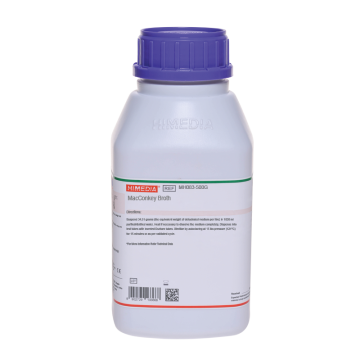
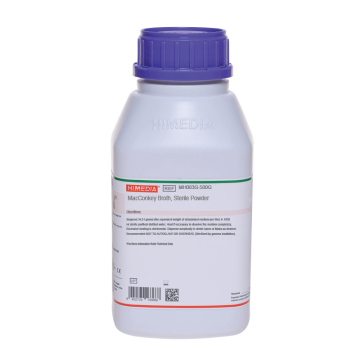
Recommended for the selective enrichment of E.coli from pharmaceutical products in accordance with the microbial limit testing by harmonized methodology of USP/EP/BP/JP.
| Ingredients | g/L |
|---|---|
| Gelatin peptone# | 20.000 |
| Lactose monohydrate | 10.000 |
| Dehydrated bile## | 5.000 |
| Bromo cresol purple | 0.010 |
| pH after sterilization (at 25°C) | 7.3±0.2 |
**Formula adjusted, standardized to suit performance parameters
# Pancreatic digest of gelatin
## Equivalent to Dehydrated Ox-bile
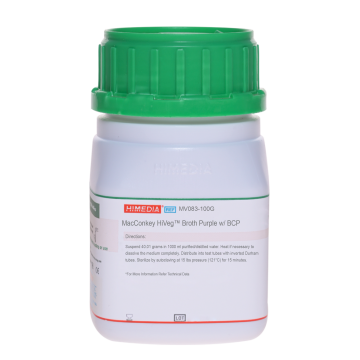
Suspend 34.51 grams (the equivalent weight of dehydrated medium per litre) in 1000 ml purified/ distilled water. Heat if necessary to dissolve the medium completely. Dispense into test tubes with inverted Durham tubes. Sterilize by autoclaving at 15 lbs pressure (121°C) for 15 minutes or as per validated cycle.
MacConkey Broth is a modification of MacConkey Medium (1). Childs and Allen (2) demonstrated the inhibitory effect of neutral red and therefore substituted it by the less inhibitory bromocresol purple dye. BCP is more sensitive in recording pH variation in the medium. This medium is prepared in accordance with the harmonized method of USP/BP/JP (3,4,5)
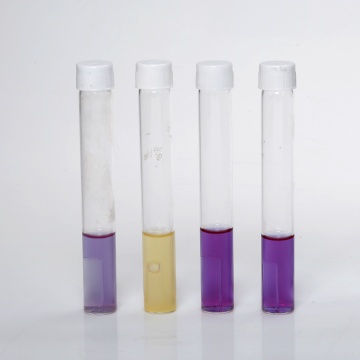
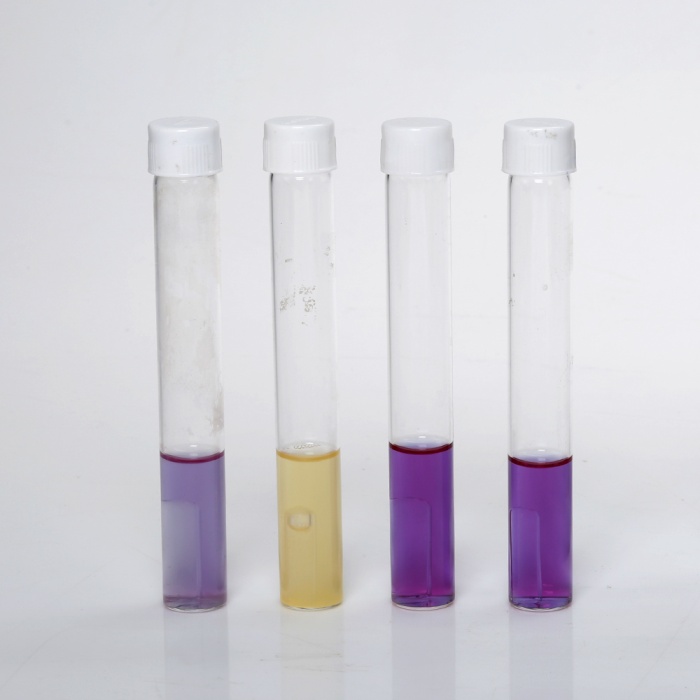
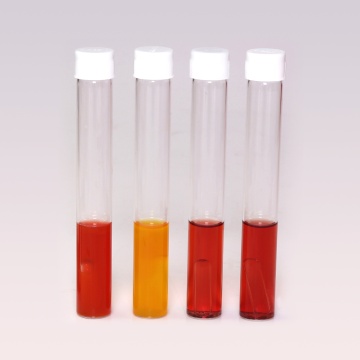
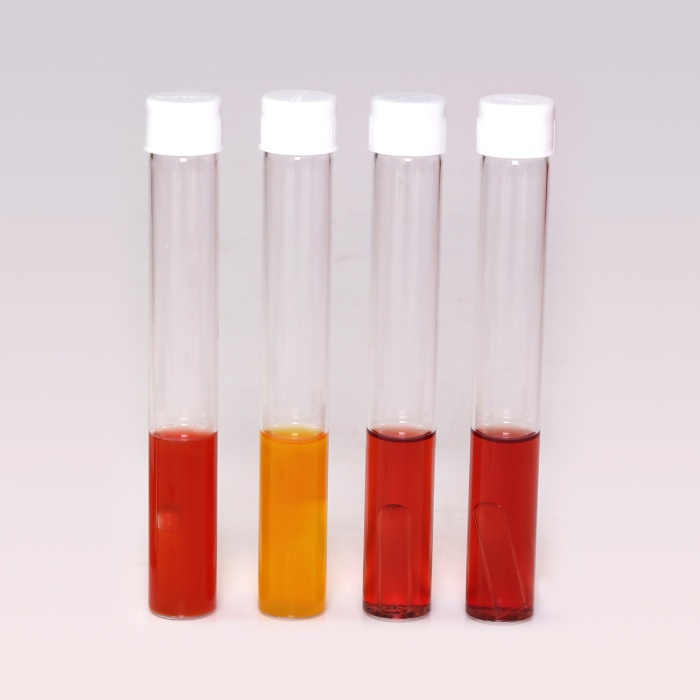
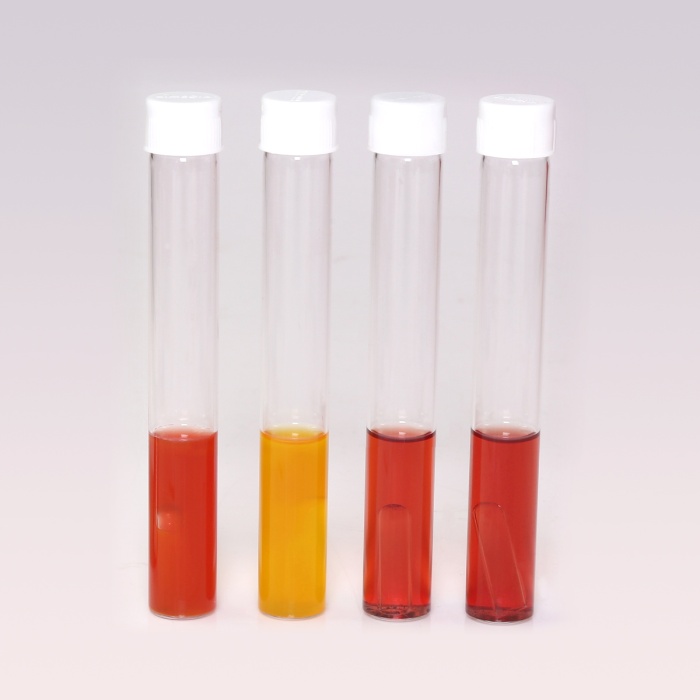
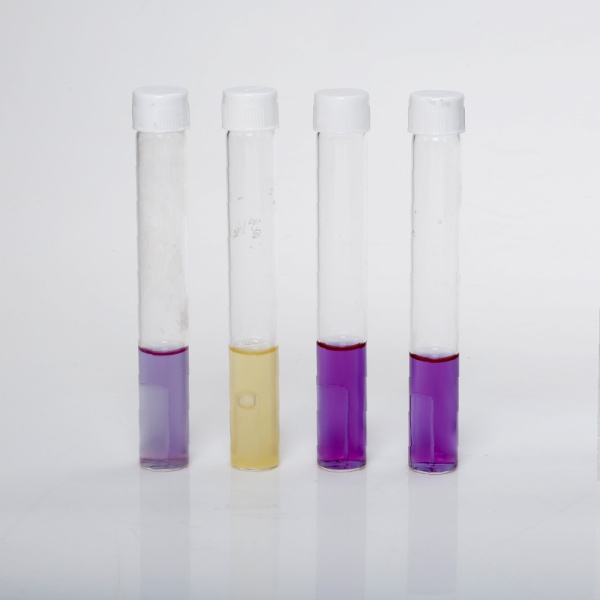
Gelatin peptone provides essential growth nutrients. Lactose is the fermentable carbohydrate. Dehydrated bile inhibits gram-positive organisms. Bromocresol purple is the pH indicator in the medium, which turns yellow under acidic condition. Lactose fermenting organisms turn the medium yellow due to the acidity produced on lactose fermentation. The colour change of the dye is observed when the pH of the medium falls below 6.8. Lactose non-fermenting organisms like Salmonella and Shigella do not alter the appearance of the medium.
Transfer homogenate in Soyabean Casein Digest Medium (MH011) containing 1 gm or 1 ml of the preparation tbe examined to 100 ml MacConkey Broth Incubation is carried at 43°-45°C for 24-48 hours. For further isolation, subculture on MacConkey Agar (MH081). Growth of red generally non-mucoid colonies, sometimes surrounded by a reddish precipitation zone, indicates pressure of coliforms.
Pharmaceutical samples
For pharmaceutical samples, follow appropriate techniques for sample collection, processing as per guidelines (3-6). After use, contaminated materials must be sterilized by autoclaving before discarding.
Read the label before opening the container. Wear protective gloves/protective clothing/eye protection/face protection. Follow good microbiological lab practices while handling specimens and culture. Standard precautions as per established guidelines should be followed while handling specimens. Safety guidelines may be referred in individual safety data sheets.
Performance of the medium is expected when used as per the direction on the label within the expiry period when stored at recommended temperature.
Appearance
Cream to yellow with green tinge coloured granular medium
Colour and Clarity of prepared medium
Purple coloured clear to slightly opalescent solution in tubes
pH
7.10-7.50
Cultural Response
Growth Promotion is carried out in accordance with the harmonized method of USP/EP/BP/JP. For organisms not specified in pharmacopoeia, cultural response was observed after an incubation at 30-35°C for 18-48 hours.
Growth promoting properties
Clearly visible growth of microorganism comparable to that previously obtained with previously tested and approved lot of medium occurs at the specified temperature for not more than the shortest period of time specified inoculating <=100 cfu (at 42-44°C for <= 24 hours).
Inhibitory properties
No growth of the test microorganism occurs for the specified temperature for not less than longest period of time specified inoculating >=100 cfu(at 42-44°C for >= 48 hours).
Cultural Response
Cultural characteristics observed after an incubation at 30-35°C for 18-48 hours.
| Organism | Inoculum (CFU) | Growth | Acid | Gas | Incubation temperature | Incubation period |
|---|---|---|---|---|---|---|
| Growth promoting | ||||||
| Escherichia coli ATCC 8739 (00012*) | 50-100 | luxuriant | positive reaction, yellow colour | positive reaction | 42-44 °C | <=24 hrs |
| Inhibitory | ||||||
| Staphylococcus aureus subsp. aureus ATCC 6538 (00032*) | >=10³ | inhibited | 42-44 °C | >=48 hrs | ||
| Additional Microbiological testing | ||||||
| Escherichia coli ATCC 25922 (00013*) | 50-100 | luxuriant | positive reaction, yellow colour | positive reaction | 30-35 °C | 18-24 hrs |
| # Klebsiella aerogenes ATCC 13048 (00175*) | 50-100 | luxuriant | positive reaction, yellow colour | positive reaction | 30-35 °C | 18-24 hrs |
| Salmonella Choleraesuis ATCC 12011 | 50-100 | fair-good | negative reaction | negative reaction | 30-35 °C | 18-24 hrs |
| Staphylococcus aureus subsp. aureus ATCC 25923 (00034*) | >=10³ | inhibited | 30-35 °C | >=48 hrs | ||
Key :- (*) Corresponding WDCM numbers (# )
Formerly known as Enterobacter aerogenes
Store between 10- 30°C in a tightly closed container and the prepared medium at 15-30°C. Use before expiry date on the label. On opening, product should be properly stored dry, after tightly capping the bottle in order to prevent lump formation due to the hygroscopic nature of the product. Improper storage of the product may lead to lump formation. Store in dry ventilated area protected from extremes of temperature and sources of ignition Seal the container tightly after use. Product performance is best if used within stated expiry period.
User must ensure safe disposal by autoclaving and/or incineration of used or unusable preparations of this product. Follow established laboratory procedures in disposing of infectious materials and material that comes into contact with clinical sample must be decontaminated and disposed of in accordance with current laboratory techniques (7,8).
| Product Name | MacConkey Broth, Granulated |
|---|---|
| SKU | GMH083 |
| Product Type | Granulated |
| Physical Form | Granular |
| Origin | Animal |
| Packaging type | HDPE |
| References | 1. MacConkey A. T., 1900, The Lancet, ii: 20. 2.Childs E. and Allen, 1953, J. Hyg: Camb. 51:468-477 3.Baird R.B., Eaton A.D., and Rice E.W., (Eds.), 2015, Standard Methods for the Examination of Water andWastewater, 23rd ed., APHA, Washington, D.C. 4.Isenberg, H.D. Clinical Microbiology Procedures Handbook. 2nd Edition. 5.Jorgensen,J.H., Pfaller , M.A., Carroll, K.C., Funke, G., Landry, M.L., Richter, S.S and Warnock., D.W. (2015)Manual of Clinical Microbiology, 11th Edition. Vol. 1. 6.American Public Health Association, Standard Methods for the Examination of Dairy Products, 1978, 14th Ed., WashingtonD.C. 7.Salfinger Y., and Tortorello M.L. Fifth (Ed.), 2015, Compendium of Methods for the Microbiological Examination ofFoods, 5th Ed., American Public Health Association, Washington, D.C. 8.Wehr H. M. and Frank J. H., 2004, Standard Methods for the Microbiological Examination of Dairy Products, 17th Ed.,APHA Inc., Washington, D.C. |
| Customized Product Available | No |